“coffee fruit planting” search results (6000)

The treatment of raw coffee beans Coffee trees bear fruit several times a year
The spread of coffee beans originated in Ethiopia, about 850 in the Christian era. It then spread throughout the Arabian Peninsula, and coffee was not really documented until the 900th year of the Christian era. At that time, the Yemenis carefully guarded the coffee in order to prohibit the outflow of coffee. However, some coffee saplings are smuggled to the Netherlands and planted in greenhouses. Coffee was not available in America until 1723.
2016-07-11 Coffee raw beans processing process one year several times coffee beans spread originated from
Coffee trees-production conditions the planting conditions of coffee trees
The first flowering period of the coffee tree is about three years old. the five-petal tube-shaped white flowers are filled with a faint scent of jasmine and the inflorescences are arranged in dense clusters. Flowers wither after two or three days of blooming and begin to bear fruit after a few months. The fruit is a drupe with a diameter of about 1.5 cm. It is green at first, then turns yellow gradually, turns red when ripe, and is very similar to cherries.
2016-06-13 Coffee production conditions planting conditions coffee for the first time flowering time about tree age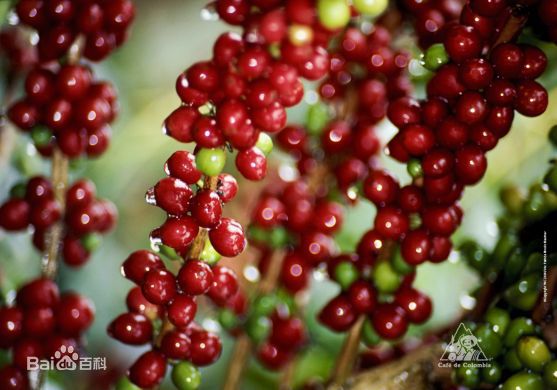
Kochere Kochel of the Sigiga Cooperative in Ethiopia
During the harvest, farmers harvest fresh red fruit every day, and every two days the coffee fruit is sent as a unit or sold to a washing plant for treatment. coffee fruit that has not gone through a water treatment plant is usually naturally fermented for about 12 hours, and then passed through the sun for drying and shelling. in any case, farmers always try their best to send them to the water treatment plant for treatment so that they can be washed.
2016-07-28 Sigiga Cooperative Ethiopia Yega Sheffield Kochere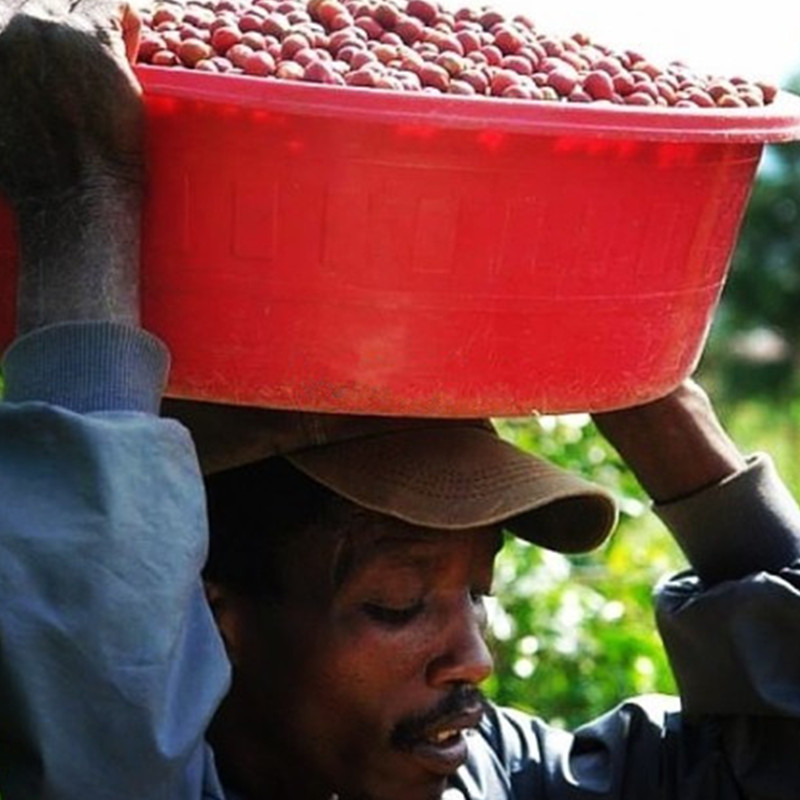
Caesar, a special area of Boqui, Panama. Louis flavor clean and fresh fruit flavor, elegant and charming
The finest coffee in Panama (Panama) is grown in the west of the country, near Costa Rica and the Pacific Ocean. The Boquet district of Chiriqui province is the most famous for its coffee, as well as Wakan, Santa Clara and Kendra. Other areas include David, Remacimeinto, Bugaba and Tolai (T).
2016-08-01 Panama Boqui producing area Caesar Louis Flavor Clean New Fruit Light
Introduction of Aldumara Coffee beans, the Top Coffee beans in Mexico
During the harvest, farmers harvest fresh red fruit every day, and every two days the coffee fruit is sent as a unit or sold to a washing plant for treatment. coffee fruit that has not gone through a water treatment plant is usually naturally fermented for about 12 hours, and then passed through the sun for drying and shelling. in any case, farmers always try their best to send them to the water treatment plant for treatment so that they can be washed.
2016-07-01 Mexico top coffee beans Al Dumara Mara introduction harvest period
Coffee beans History the birth of coffee beans
The lifetime of a coffee tree takes 3-5 years from planting to fruiting. 6-10 years of coffee trees are the most likely to bear fruit, about 15-20 years, is the harvest period. Coffee trees are usually bred in nurseries and grow into saplings, and then moved to coffee farms a year later, in full compliance with the way the Arabs planted and cultivated coffee trees. Coffee trees will continue to decline in the first four or five years of growth.
2014-09-28 Coffee knowledge coffee bean history coffee bean birth
Introduction to the sweet and lovely Yega Chefevoca Coffee Flavor description and treatment method in the planting environment
Although the Ethiopian Yirgacheffe coffee is petite, it is gentle and delicate and sweet. As the hometown of coffee, thousands of years of planting history and processing tradition in Ethiopia have created high-quality washed Arabica beans. Light baked with unique sweet aromas of lemon, flowers and honey, soft acidity and citrus flavors, fresh and bright on the palate.
2016-10-15 Sweet Human Yega Sheffield Wauka Coffee Flavor description processing Taste
Coffee classification
Special classification system of coffee: 1. Subgenus Coffea: 2. Malagasy coffee subgenus: 3. Subgenus Pala Coffee: 4. Age coffee subgenus: a, red coffee group: B, thick-skinned coffee group: C, Mozambican coffee group: d, black fruit coffee group E, dwarf coffee group: red fruit coffee group: a) Arabica species: Tibica varieties: (Tp)
2014-07-16 Coffee knowledge coffee classification coffee encyclopedia
Coffee growing at Incht Manor in Vivette Nan Fruit producing area, Pampa Camara, Bourbon, Guatemala
Guatemala is bordered by Mexico to the north and El Salvador and Honduras to the south. Guatemala produces about 3.5 million bags of coffee each year, and raw coffee beans account for 40 per cent of the country's total agricultural exports. This country, which mainly grows and exports coffee, has fertile soil suitable for coffee trees, suitable climate, abundant water resources and high altitude planting height. Its territory is also
2016-04-13 Viv Tenan producing area Hutt Manor Coffee planting Guatemala Bourbon Palmer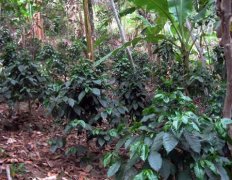
Production of coffee beans coffee output
Coffee trees take 3-5 years from planting to fruiting. 6-10 years of coffee trees are the most likely to bear fruit, about 15-20 years, is the harvest period. Coffee trees are usually bred in nurseries and grow into saplings, and then moved to coffee farms a year later, in full compliance with the way the Arabs planted and cultivated coffee trees. Coffee trees will continue to take root downward and upward in the first four or five years of their growth.
2014-09-25 Coffee bean production coffee output
How to classify coffee beans
Plant classification Coffee tree belongs to the evergreen tree of Rubiaceae. Rubiaceae plants have been dominated by plants with special effects since ancient times, such as quinine tree, which is regarded as a specific drug for malaria, and Dugan, which is used to treat Amiba dysentery. Coffee is defined as the most unique alkaloid drinking flora. Usually after sowing for two to three years, coffee trees can grow to a height of about five to ten meters, but to prevent the loss of coffee beans.
2014-07-08 Coffee knowledge coffee bean classification coffee encyclopedia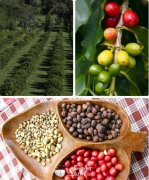
Coffee classification system
Special classification system of coffee: 1. Subgenus Coffea: 2. Malagasy coffee subgenus: 3. Subgenus Pala Coffee: 4. Age coffee subgenus: a, red coffee group: B, thick-skinned coffee group: C, Mozambican coffee group: d, black fruit coffee group E, dwarf coffee group: red fruit coffee group: a) Arabica species: Tibica varieties: (Tp)
2014-06-25 Coffee knowledge coffee classification coffee encyclopedia
A brief introduction to the Life process of Coffee beans
Coffee trees take 3-5 years from planting to fruiting. 6-10 years of coffee trees are the most likely to bear fruit, about 15-20 years, is the harvest period. Coffee trees are usually bred in nurseries and grow into saplings, and then moved to coffee farms a year later, in full compliance with the way the Arabs planted and cultivated coffee trees. Coffee trees will continue to take root downward and upward in the first four or five years of their growth.
2014-11-19 Coffee knowledge boutique coffee science coffee beans
Cultivation of Coffee and Cultural Coffee trees
Coffee cultivation now, in the belt between the Tropic of Cancer and the Tropic of Cancer, coffee is widely grown. Coffee grown in different regions has different flavors. The unique soil, climatic conditions and planting methods of a country make the coffee produced in that country have a unique flavor. French winemakers call this phenomenon regional style. Geographically, a global coffee growing area
2015-03-13 Coffee culture planting coffee now Tropic of Cancer occasional ribbon ground
What conditions do coffee trees need for planting? what are the requirements for the natural environment?
The origin of the coffee tree is Ethiopia in Africa. In botany, coffee trees belong to the evergreen trees of the subgenus Rubiaceae, and coffee beans, commonly known as coffee beans, are the seeds of the fruit of coffee trees, just because they are shaped like beans, so they are called coffee beans. Climate is the decisive factor for coffee cultivation. Coffee trees are only suitable for growing in the tropics or subtropics, so latitude 25 is south and north.
2016-05-29 Coffee planting needs what conditions natural environment all have requirements coffee original
Introduction of El Salvador Coffee Manor Mercedes Manor with Sweet and Honey Fruit
Rodrigo believes that any unnatural growing substance will affect the quality of coffee, so they minimize the use of all chemicals when growing coffee. In addition, in order to ensure the quality of coffee, they only harvest ripe fruit, immediately treat raw beans, control the most appropriate washing and fermentation time, and use the best way to deal with washed or sun-dried raw beans. Several years
2016-07-05 Fruit sweetness honey El Salvador coffee manor Mercer des introduction Luo
Classification of coffee introduction of coffee types introduction of boutique coffee beans
Classification of plants Coffee beans Coffee trees belong to the evergreen tree of Rubiaceae. Rubiaceae plants have been dominated by plants with special effects since ancient times, such as quinine tree, which is regarded as a specific drug for malaria, and Dugen, which is used to treat amoeba dysentery. Coffee is defined as the most unique alkaloid drinking flora. The fruit of coffee consists of outer skin, pulp, endocarp, silver skin, and the above-mentioned layers.
2016-06-28 Coffee classification introduction category boutique coffee beans plants coffee
What are the characteristics of African coffee beans? introduction to the species of African beans
. Colombia is the world's second largest coffee producer after Brazil. Is the leader in the country that produces Colombian mild. The name of origin has become a well-known name for coffee, such as Medning, Manizarez, Bogota, Almenia and so on. Coffee beans are light green and large-grained, according to their unique thick flavor, whether pure coffee or mixed
2016-06-06 Africa coffee beans what characteristics types introduction Colombia second only to Brazil
Unique fragrant Ethiopian Coffee Manor Flavor and Taste characteristics of Fine Coffee beans
In addition, it should be mentioned that most of them are produced by state-owned institutions, but the quantity is small and is not well known to the world. Teppi and Bebeka;Teppi, which are lightly described here, grow at an altitude of 3600-6200 feet, with an annual yield of about 50000 bagsamp60kg. Bebeka grows between 3000 and 3900 feet above sea level, with an annual output of about 30000bags/60kg, both of which are located in the lower parts of southwest Ethiopia.
2016-08-15 Unique fragrant Ethiopia coffee manor producing area flavor taste characteristics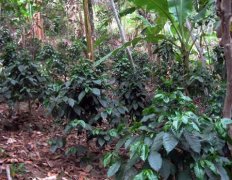
The production of high-quality coffee beans
Coffee trees take 3-5 years from planting to fruiting. 6-10 years of coffee trees are the most likely to bear fruit, about 15-20 years, is the harvest period. Coffee trees are usually bred in nurseries and grow into saplings, and then moved to coffee farms a year later, in full compliance with the way the Arabs planted and cultivated coffee trees. Coffee trees will continue to take root downward and upward in the first four or five years of their growth.
2014-09-30 Coffee knowledge boutique coffee science coffee bean production